
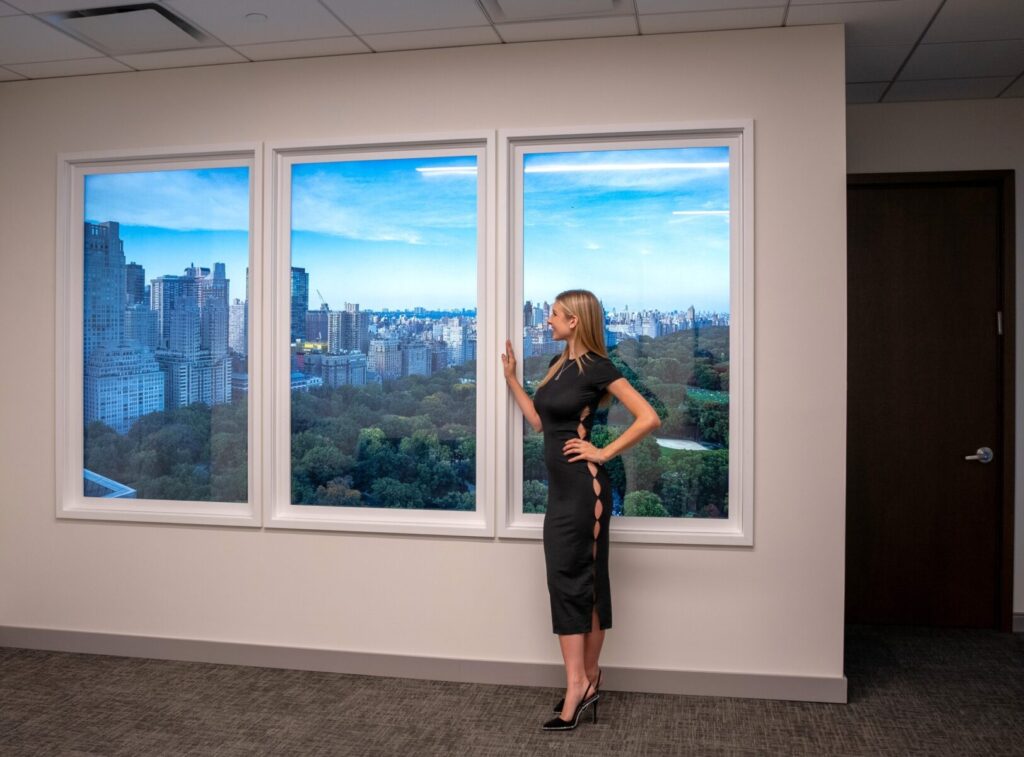
Some spaces are well designed but still feel a little closed off. Interior rooms without windows, lower levels, enclosed offices, or long hallways can feel darker or less inviting, no matter how polished the finishes are. Virtual windows offer a unique way to change that experience.
When done well, a virtual window doesn’t feel like technology at all. It simply makes a space feel more open, balanced, and comfortable to be in.
What We Mean by a Virtual Window
A virtual window isn’t just a screen; it’s a meticulously crafted fusion of ultra-high-definition displays framed with elegant window trims. It is carefully constructed to create a realistic sense of depth, light, and movement.
These digital windows are installed on a wall, creating the impression of natural light entering and making the room feel open beyond its physical boundaries, anywhere you want in the world.
Where Virtual Windows Make the Most Sense
Virtual windows are especially useful in spaces where real windows simply aren’t an option.
In homes, we often see them used in:
- Basements and lower-level living spaces
- Interior rooms without exterior walls
- Home gyms, wellness rooms, and studios
- Hallways that need visual interest
In commercial spaces, they work well in:
- Offices and conference rooms
- Lobbies and reception areas
- Hospitality and wellness environments
- Retail spaces where atmosphere matters
In each case, the goal is the same. Make the space feel better to spend time in.
How Virtual Windows Transform a Space
Light, openness, and views, even simulated ones, play a meaningful role in how a space feels. Virtual windows introduce visual depth, color, and subtle movement that help enclosed rooms feel more open and balanced.
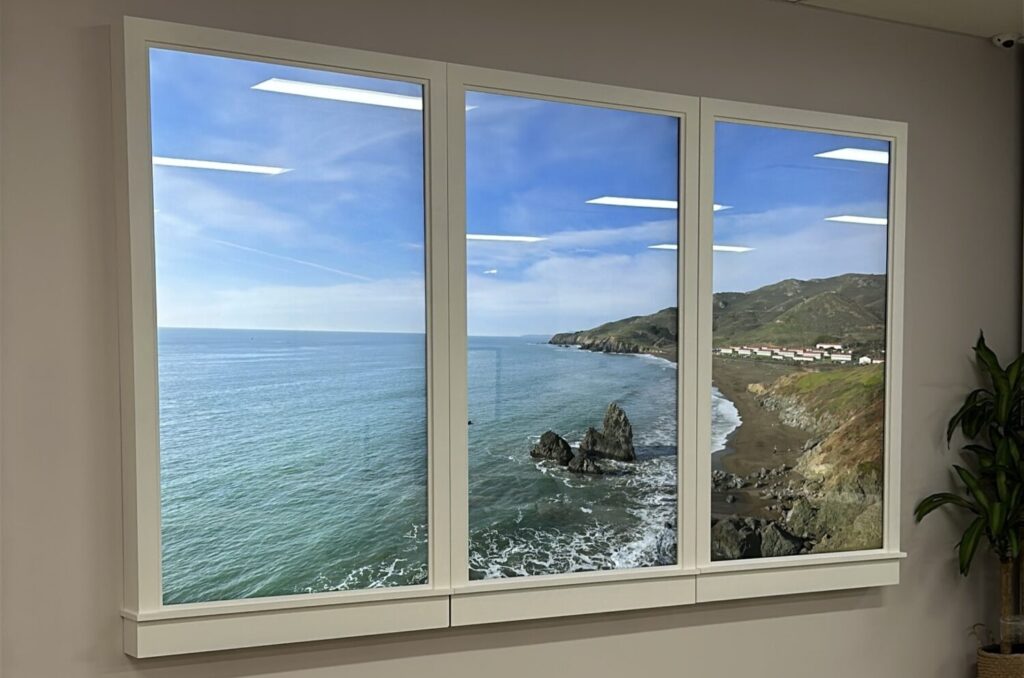
In both residential and commercial settings, this effect is used intentionally. In homes, a calming landscape can soften interior rooms and lower-level spaces without overwhelming the design. In offices, hospitality, and wellness environments, virtual windows help spaces feel more comfortable, welcoming, and connected to the outside world, even when physical windows aren’t possible.
Health & Well-Being Benefits
Virtual windows offer more than just visual appeal. They can also have measurable effects on comfort, mood, and overall well-being.
A study at Stanford University found that LiquidView virtual windows helped reduce stress, lower heart rates, and improve brain activity, demonstrating real wellness benefits in enclosed environments. By introducing natural scenery and subtle environmental movement, these installations help spaces feel less confined and more restorative.
In offices, healthcare environments, and high-stress settings, this visual connection to nature can provide a sense of relief and mental refreshment.
Real-World Impact in Specialized Environments
Virtual windows are not just about aesthetics. In many cases, they provide meaningful improvements to spaces that would otherwise feel closed off or clinical. One recent installation by ATTYWON brought LiquidView virtual windows into a special needs school where several rooms had no access to natural windows.

By introducing calming, high-resolution outdoor scenes into those spaces, the environment immediately felt more open, welcoming, and comfortable for students and staff. Installations like this demonstrate how virtual windows can go beyond design enhancements and play a role in creating more supportive, positive environments for people who spend extended time indoors.
Transformative Viewing with LiquidView Virtual Windows
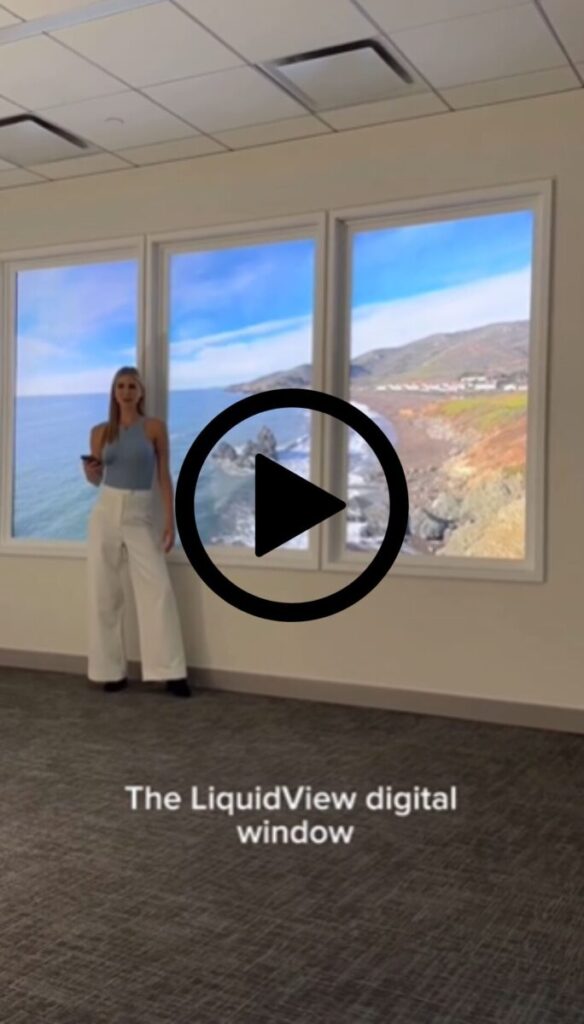
The experience of a virtual window is defined by the content behind it. LiquidView was created to bring realistic, ever-changing views of the natural world into interior spaces in a way that feels genuine and immersive.
Scenes are captured by professional cinematographers using advanced motion picture technology, recording full day-to-night cycles in ultra-high resolution. Subtle, unexpected moments within each scene mirror the spontaneity of looking out a real window, allowing light, movement, and atmosphere to evolve naturally throughout the day.
LiquidView has also recently been featured on Shark Tank, further highlighting the innovation behind this technology and its growing presence in the luxury design and wellness space.
With a growing library of locations from around the world and intuitive control through a mobile app, LiquidView allows spaces without natural views to feel open, calming, and thoughtfully connected to the outdoors.
Custom Virtual Window Design and Installation
Choosing the right virtual window involves more than selecting a display or a scene. It requires understanding how placement, lighting, content, and technology work together to create a seamless experience.
At ATTYWON, we design and install LiquidView virtual windows with a focus on integration, realism, and long-term performance. Every project is approached with care, ensuring the final result feels like a natural part of the space rather than an added feature.
If you’re considering a virtual window for a home or business in New York City or South Florida, we invite you to start with a conversation. Email us at info@attywon.com and tell us about your space and what you’d like to achieve.